
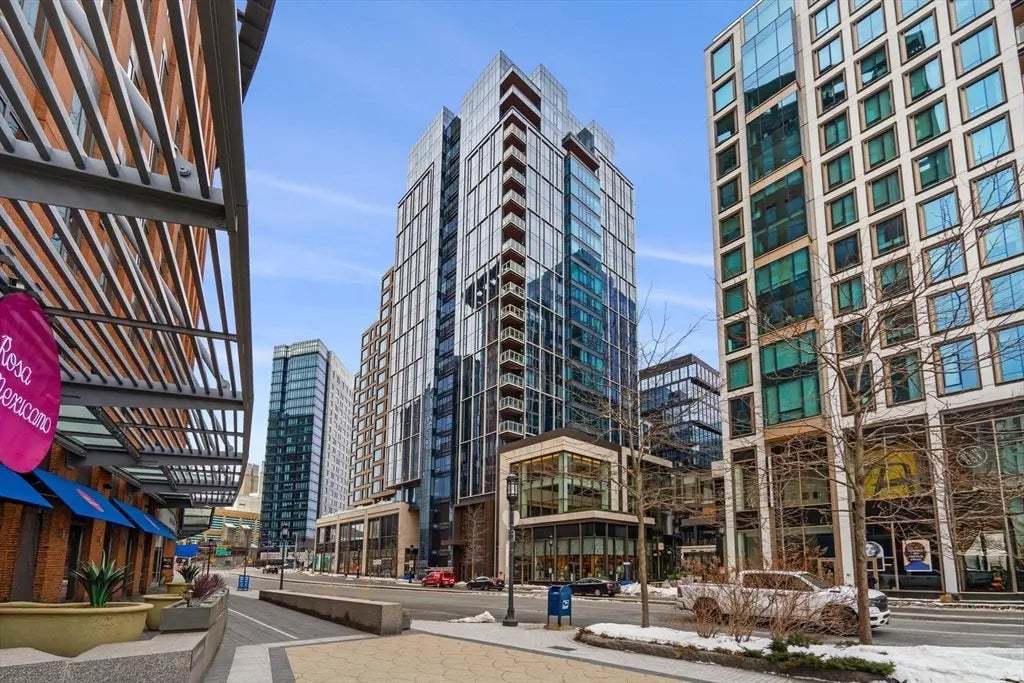
The line you hear from Boston loyalists is predictable: “Back Bay is Boston.” True until a buyer actually tours the Seaport. In a city famous for brownstones and brick, the Seaport flips the script: new neighborhood, modern towers, walk-to-water living, and enough dining and culture to make even Back Bay devotees raise an eyebrow. It’s less than two decades old in a 400-year-old city, and it’s acting like the headliner.
Here’s the buyer strategy, the building logic, and the negotiation math for choosing Seaport over Boston’s historic heavyweights or sticking with tradition.
When you’re weighing neighborhoods in Boston, the fear of regret is real. No one wants to choose convenience today and realize five years later they sacrificed character. Or pick charm only to find that daily logistics wear them down. That’s why getting beyond the surface-level comparisons matters. Although young, Seaport has shifted the conversation for serious buyers.
The Buyers that like Seaprt
Two profiles gravitate here without hesitation:
The Modernist: You love glass, light, working elevators, and HVAC systems that don’t surprise you. Boutique charm is great until your grocery delivery sits outside in February.
The Lock-and-Leave Pro: Your life is in motion. You travel often, host clients, or split time between cities. A staffed lobby, package rooms, valet parking, and reliable building systems let you step away without worry.
This isn’t about knocking Back Bay or Beacon Hill. It’s about acknowledging that convenience and predictability can outweigh period detail for a big swath of buyers.
What Newness Really Delivers
Post-2000 construction changes how you live:
- Systems and sound: Modern window assemblies, acoustics, and climate control mean fewer winter drafts and fewer “old building surprises.”
- Access and elevators: Multiple cabs, fobbed entry, secure package rooms, and 24/7 coverage cut friction out of daily life.
- Amenities for today: Fitness centers with daylight, coworking lounges, pet wash stations, bike rooms, EV infrastructure.
- Integrated retail: Coffee, restaurants, fitness all stitched into the streetscape so the “15-minute life” is real.
Tradeoffs to Know
Seaport delivers plenty, but buyers should walk in with eyes open:
- Street energy: This is an active neighborhood. If you prefer quiet, target higher floors or non-amenity stacks.
- Ongoing change: Construction will ebb and flow. Choose a line that won’t stare at a crane tomorrow.
- Waterfront realities: Ask about resiliency, flood planning, and insurance. Most new towers account for this, but you’ll want to verify.
Seaport vs. Back Bay vs. Downtown
Think of the choice as a fit test:
- Back Bay: Heritage, brownstone scale, Newbury Street retail, the Common close by. Perfect if you value romance and tree-lined calm.
- Downtown: Central hub with transit access, a mix of building vintages, and fast reach to every part of the city.
- Seaport: Contemporary towers, waterfront access, and everything you need in one compact loop.
If views, convenience, and new systems top your list, Seaport is tough to beat. If character and townhouse serenity matter more, Back Bay still wears the crown.
How Seaport Pricing Works
This market is driven less by square footage and more by exposure:
- View tiers: From partial to wide-open harbor, each step adds value and rentability.
- Amenity adjacency: Living above a pool deck sounds great until Saturday night. Always include a tour at night.
- Elevation premium: Higher floors trade for dollars, but balance against wait times and wind. Line matters more than floor.
- Pro move: Compare within the same stack for the past 60–120 days. Price the view, not the brochure copy.
Negotiation That Gets Results
Seaport listings lean on visuals. Function-first offers often land better:
- Monthly relief: Ask for seller-paid rate buydowns or prepaid HOA fees.
- Livability upgrades: Shades, balcony furniture, closet systems, smart locks, small changes that improve daily life and future photos.
- Timing: Align closings with hosting season or rental demand peaks.
- Certainty: A clean, condo-savvy pre-approval wins over heartfelt letters.
Checklist Before You Buy
- HOA and reserves: Even new towers have planned capital needs. Review them.
- Wind and light: Seaport balconies are beautiful, but exposure matters. Stand on one before you commit.
- Retail adjacency: Buzz is energizing, unless your windows face a delivery bay.
- Parking and EV: Confirm deeded vs. leased, charging capacity, and guest options.
- Package flow: Holiday volume reveals a building’s true systems.
- Exit comps: Days on market and close-to-list ratios matter for resale.
When Paying More Is Worth It
- True harbor panoramas: Inventory is scarce, demand is steady, resale photos speak for themselves.
- Corner glass with balanced light: Morning and evening sun transform daily life.
- High, quiet, non-amenity stacks: Noise-sensitive buyers should prioritize this.
Case Study: The View - First Win
I worked with a buyer who wanted the harbor feel and low-maintenance living. We comped the line two floors below, spotted a trend of modest seller credits, and structured an offer with:
- Slight price reduction tied to line comps
- Two points toward a permanent rate buydown
- Motorized solar and blackout shades included
The seller accepted. My client got a lower payment, glare-free mornings, and a harbor view that felt like a living painting.
Local Context
Boston cycles with the seasons, and Seaport is no exception. Summer brings boardwalk crowds and patio energy, while winter highlights the convenience of everything within a few blocks. Inventory in Seaport is tighter than Back Bay, which means well-positioned units move quickly. If you’re serious, align your search with spring and early summer when selection is strongest and views show their best.
Questions We Hear From Our Clients
Is Seaport too new to hold value long-term?
No. Demand for new systems, water views, and daily convenience has only grown. Scarcity of harbor-facing inventory supports future values.
Will construction hurt my quality of life?
It depends on your line. Buy in a stack with stable views and you’ll gain the upside without the disruption.
How does Seaport compare on walkability?
While Back Bay has tree-lined blocks, Seaport delivers a compact, fully programmed lifestyle. Coffee, fitness, dining, and retail are at your front door.
If Seaport is speaking your language, the next move is to see the right stacks firsthand. I’ll help you cut through the noise, price exposures accurately, and negotiate for livability perks that actually matter. Contact me today for more info.
Posted by Kevin Cleary onEnjoy this blog post? Click here to subscribe for updates
Leave A Comment